Vote for the World's Most Beautiful Flag!

By Duncan | | Posted in News and Politics | 806 Views
Vote for the World's Most Beautiful Flag!

Flags are more than just symbols—they tell stories of culture, history, and national pride. With over 190 flags representing nations worldwide, each one has its own unique design, colors, and meaning. Now, it’s your turn to decide which country has the best flag! Whether you’re drawn to bold colors, intricate patterns, or simple elegance, we want to know: Which flag stands out to you? Scroll through the options, pick your favorites, and cast your vote to help us crown the world’s most beautiful flag!

Republic of the Congo

Score: 100%


3

0
1

Republic of the Congo

The flag of the Republic of the Congo consists of two diagonal stripes: a green stripe (top left to bottom right) and a yellow stripe (top right to bottom left), with a red triangle at the hoist side. Green symbolizes the country's agriculture and forests, which are a significant part of its natural resources. Yellow represents the country's wealth and mineral resources. Red symbolizes the struggle for independence and the blood shed by those who fought for it. The flag was officially adopted in 1959 and reflects the nation’s aspirations of growth, prosperity, and peace following its independence from France.

Rwanda

Score: 100%


3

0
2

Rwanda

The flag of Rwanda consists of three horizontal stripes: a blue stripe at the top, a yellow stripe in the middle, and a green stripe at the bottom. In the upper right corner, there is a sun with 24 rays, symbolizing a new dawn and the country's progress. Blue represents peace and harmony. Yellow symbolizes economic development and prosperity. Green signifies hope, agriculture, and sustainability. The sun with 24 rays represents a bright future and the rebirth of Rwanda after the 1994 genocide. The flag was adopted in 2001 and reflects the nation's efforts toward national unity, reconciliation, and rebuilding.

Saint Lucia

Score: 100%


2

0
3

Saint Lucia

The flag of Saint Lucia consists of a blue background with a triangle in the center formed by two diagonal white lines. Inside the triangle is a yellow isosceles triangle with a black and white equilateral triangle at its center. The design represents the island's symbolic unity, strength, and hope for the future. Blue symbolizes the island's Caribbean Sea and sky. Yellow represents the sun and prosperity. Black and white triangles reflect the country's unity and the balance of strength and harmony between the people of Saint Lucia. The flag was officially adopted in 1967 after Saint Lucia became a self-governing state. Its unique design and symbolism are intended to reflect the nation's natural beauty and aspiration for progress.

Saudi Arabia

Score: 100%


2

0
4

Saudi Arabia

The flag of Saudi Arabia consists of a green field with white Arabic inscriptions and a sword in the center. The text is the Shahada, the Islamic declaration of faith, which reads: "There is no god but God; Muhammad is the Messenger of God." The sword beneath the Shahada represents justice and strength. Green symbolizes Islam, as it is the traditional color of the faith, and prosperity. The sword beneath the Shahada signifies the strength of the country and its commitment to justice. The flag was officially adopted in 1973 and is unique in that it features Arabic script and no other design elements. It also has strict regulations regarding its use, such as the requirement to keep it from touching the ground or being used in any disrespectful manner.

Serbia

Score: 100%


2

0
5

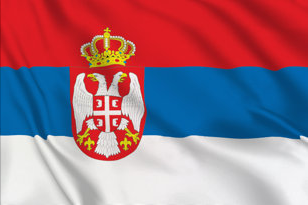
Serbia

The flag of Serbia consists of three horizontal stripes of red, blue, and white. The flag is similar to other Slavic flags, reflecting Serbia's cultural and historical ties with the broader Slavic nations. Red symbolizes the blood shed for the country and represents courage. Blue stands for truth, freedom, and the sky. White symbolizes peace, honor, and serenity. In addition, Serbia’s flag features a coat of arms placed on the left side of the flag. The coat of arms includes a double-headed eagle, a symbol of the Serbian royal family, and a shield that contains a cross with four firesteel symbols in the corners, representing Serbian heritage and Christian faith. The flag was officially adopted in 2004, although the design itself has deep historical roots in Serbian and Slavic symbolism.

Seychelles

Score: 100%


3

0
6

Seychelles

The flag of Seychelles is a striking and unique design, consisting of five oblique bands in blue, yellow, red, white, and green, which radiate from the lower left corner to the upper right. Blue represents the sky and the ocean surrounding the Seychelles islands. Yellow symbolizes the sun and the natural resources of the country. Red stands for the people, their determination, and efforts towards progress. White signifies harmony, justice, and the dove of peace. Green represents the rich natural environment, agriculture, and the forests of Seychelles. Adopted in 1996, the flag was designed to reflect the spirit of unity and progress for the newly democratic republic, after gaining independence from the United Kingdom in 1976. It is one of the more colorful and modern flags in the world, distinctively reflecting the nation’s geographical and cultural diversity.

Slovakia

Score: 100%


2

0
7

Slovakia

The flag of Slovakia consists of three horizontal stripes of white, blue, and red (from top to bottom). These colors are commonly associated with Pan-Slavic traditions, symbolizing the shared heritage and culture of Slavic peoples. The flag also features a coat of arms on the left side. White represents peace and truth. Blue symbolizes faithfulness, vigilance, and perseverance. Red stands for valor, bravery, and courage. The coat of arms consists of a double-cross on a mountain in the center of a shield. The double-cross is a symbol of Christianity, and the mountains represent the Carpathian mountains which are an important geographical feature of Slovakia. The flag was officially adopted on September 3, 1992, after Slovakia became an independent state following the peaceful dissolution of Czechoslovakia in 1993.

South Africa

Score: 100%


2

0
8

South Africa

The flag of South Africa is a unique, multicolored design that reflects the country's diverse culture and history. It has a horizontal Y-shape that starts on the left and opens to the right, symbolizing unity and progress. The colors on the flag include: Black, green, and yellow from the flag of the African National Congress (ANC), representing the fight against apartheid and African heritage. Red, white, and blue, colors inspired by the Dutch and British flags, representing South Africa's colonial and settler history. The Y-shape is symbolic of the country's journey toward a unified and democratic nation. This flag was adopted on April 27, 1994, coinciding with the end of apartheid and the first democratic elections in South Africa. Designed by Frederick Brownell, it represents inclusion and a vision for a united South African identity.

South Sudan

Score: 100%


2

0
9

South Sudan

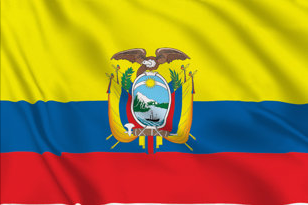
The flag of South Sudan is a symbol of unity, peace, and freedom, incorporating colors with distinct meanings that reflect the nation’s identity and struggles. The flag has horizontal stripes of black, red, green, and white separators between them. Black represents the South Sudanese people. Red symbolizes the bloodshed in the fight for independence. Green stands for agriculture and natural resources. White represents peace. On the left side, a blue triangle with a yellow star inside symbolizes hope and the Nile River, which is vital to the nation. The flag was officially adopted on July 9, 2005, following a peace agreement ending the long civil war, and it was retained after South Sudan gained independence from Sudan in 2011. This flag’s design was influenced by the flag of Kenya but includes distinct symbols that reflect South Sudan’s unique journey to independence.

Spain

Score: 100%


2

0
10

Spain

The flag of Spain consists of three horizontal bands: red on the top and bottom and a wider yellow band in the center. On the left side of the yellow stripe, there is Spain’s national coat of arms. The colors have historical significance: Red and yellow were traditionally associated with the Spanish kingdoms of Castile, León, Aragon, and Navarre. The coat of arms includes symbols representing Spain’s regions, as well as the Pillars of Hercules on either side with a banner that reads "Plus Ultra" (Latin for "More Beyond"), symbolizing exploration and the vast Spanish influence across the seas. This flag design has been official since 1981, though it was based on earlier flags used by the Spanish navy in the late 18th century.

Sri Lanka

Score: 100%


2

0
11

Sri Lanka

The flag of Sri Lanka, also known as the Lion Flag, is a vibrant and symbolic design that represents the country’s heritage, diversity, and values. The flag features a gold lion holding a sword on a dark red background. The lion symbolizes the Sinhalese people and the bravery of the nation. Around the lion, there are four gold leaves in each corner, representing Buddhist virtues: compassion, equanimity, joy, and kindness. Along the left side, there are two vertical stripes: orange for the Tamil ethnic group and green for the Muslim community, symbolizing harmony and unity among Sri Lanka’s ethnic groups. This flag was officially adopted in 1951 and underwent modifications in 1972 to better reflect the country's commitment to unity and cultural inclusiveness.

Sudan

Score: 100%


1

0
12

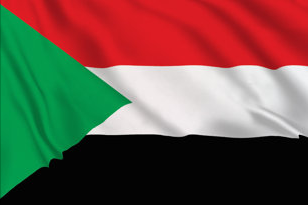
Sudan

The flag of Sudan features three horizontal stripes of red, white, and black from top to bottom, with a green triangle on the left side. Each color holds symbolic meaning: Red represents the struggles and sacrifices for independence. White symbolizes peace, light, and optimism. Black reflects the country's name (Sudan means "land of the blacks") and the cultural heritage of the Sudanese people. Green signifies prosperity, agriculture, and the land’s Islamic heritage. The flag was adopted on May 20, 1970, following Sudan's independence from British and Egyptian rule, incorporating pan-Arab colors inspired by the Arab Revolt and unification efforts within the Arab world.

Suriname

Score: 100%


1

0
13

Suriname

The flag of Suriname consists of five horizontal stripes: a wide green stripe at the top and bottom, two thinner white stripes inside these, and a large red stripe in the center. In the middle of the red stripe, there's a golden star with five points. Each color symbolizes an aspect of the nation: Green represents the fertility and natural richness of Suriname. White stands for justice, peace, and freedom. Red symbolizes the nation's progress and love for freedom. The golden star signifies unity among Suriname's diverse ethnic groups and their commitment to building a prosperous future. The flag was adopted on November 25, 1975, the same day Suriname gained independence from the Netherlands.

Sweden

Score: 100%


1

0
14

Sweden

The flag of Sweden is a simple, iconic design featuring a yellow or gold Nordic cross on a blue background. The cross extends to the edges of the flag, with its vertical portion closer to the hoist (left side), a design shared by other Scandinavian countries as a symbol of their shared heritage. The colors and cross design hold special significance: Blue and yellow are traditional Swedish colors, believed to have been inspired by the Swedish coat of arms, which features three gold crowns on a blue background. The Nordic cross reflects Sweden's connection to other Nordic nations and represents Christianity, a common theme in Scandinavian flags. The current design of the Swedish flag has been in use since the 16th century and was officially adopted in 1906.

Switzerland

Score: 100%


1

0
15

Switzerland

The flag of Switzerland is a distinctive square-shaped red flag with a white cross centered on it. Each arm of the cross is equal in length and does not extend to the edges, creating a balanced, minimalist design. The flag's colors and design hold historical significance: Red is associated with bravery and valor. The white cross symbolizes faith, neutrality, and peace, reflecting Switzerland's commitment to neutrality and humanitarian principles. Switzerland’s flag is unique in its square shape, a rare feature among national flags. This design has been in use since the 19th century and became the official national flag in 1889.

Syria

Score: 100%


1

0
16

Syria

The flag of Syria consists of three horizontal stripes: red on top, white in the middle, and black on the bottom. In the center of the white stripe are two green five-pointed stars. This flag is a version of the Pan-Arab colors, representing the unity and history shared by Arab nations. Each element holds specific symbolism: Red represents the sacrifices of Syria's people and their struggle for independence. White symbolizes peace and a hopeful future. Black signifies the dark periods of colonialism. The two green stars originally represented Syria and Egypt when the countries briefly united to form the United Arab Republic from 1958 to 1961. The current design of Syria's flag was officially adopted in 1980.

Tajikistan

Score: 100%


1

0
17

Tajikistan

The flag of Tajikistan features three horizontal stripes: a red top stripe, a white middle stripe, and a green bottom stripe. At the center of the white stripe is a golden crown, surrounded by seven stars. The symbolism behind the flag is: The red stripe represents the unity of the people of Tajikistan and their struggle for independence. The white stripe symbolizes peace and purity. The green stripe represents the land and agriculture, which are vital to the country’s economy. The golden crown represents the sovereignty of Tajikistan, while the seven stars symbolize the regions of the country. The flag was officially adopted in 1992, shortly after Tajikistan gained independence from the Soviet Union.

South Africa

Score: 100%


1

0
18

South Africa

Afghanistan

Score: 100%


1

0
19

Afghanistan

The most recent flag of Afghanistan, adopted by the Taliban in 2021, is a simple white banner with black Arabic script. This script bears the Shahada, an Islamic creed that reads, "There is no god but Allah, and Muhammad is his Messenger." The white background is meant to symbolize purity and peace, while the Shahada reflects the country's Islamic identity and values​ A RAI OF LIGHT . Historically, Afghanistan's flag has changed numerous times, reflecting shifts in governance and political ideologies. One of the previous flags, used by the Islamic Republic, featured a black, red, and green tricolor with a white emblem in the center. This emblem showed a mosque with a mihrab, symbolizing faith, along with inscriptions and the year 1919, marking Afghan independence from British influence​ JOURNEYZ . These flag changes underscore the country's complex political landscape and evolving national identity over time.

Albania

Score: 100%


1

0
20

Albania

The flag of Albania is striking and memorable, featuring a bold black double-headed eagle on a red background. The red color represents bravery, strength, and the sacrifice of the nation, while the eagle is a symbol of freedom and heroism, originating from the medieval emblem of the national hero, Gjergj Kastrioti Skanderbeg. Skanderbeg led the resistance against the Ottoman Empire in the 15th century, and the eagle has since become a national symbol associated with his legacy​ JOURNEYZ ​ SERBIAN MONITOR . The simplicity and symbolism of the Albanian flag make it unique, capturing both national pride and historical significance.

Algeria

Score: 100%


1

0
21

Algeria

The flag of Algeria is split vertically into two halves: green on the hoist side and white on the fly side. At the center, there is a red crescent and star. The green color represents Islam, which is the dominant religion in Algeria, while the white symbolizes peace and purity. The red crescent and star are traditional symbols of Islam, evoking both faith and the heritage of the Arab world. Adopted upon independence in 1962, the Algerian flag reflects the country's identity and its struggle for freedom

Andorra

Score: 100%


1

0
22

Andorra

The flag of Andorra features a vertical tricolor of blue, yellow, and red. In the center of the flag is the national coat of arms, which includes a shield divided into four quarters with symbols representing historical ties with France and Spain. The blue and red are inspired by France’s flag, while the red and yellow reflect the Spanish influence, symbolizing the dual protectors of Andorra. The colors also signify loyalty (blue), wealth (yellow), and bravery (red), reflecting the principality's heritage and independence.

Angola

Score: 100%


1

0
23

Angola

The flag of Angola has two horizontal bands: red on the top half and black on the bottom. The red represents the struggle for independence, while the black symbolizes the African continent. At the center of the flag, there is a yellow emblem composed of a half gear wheel, a machete, and a star, all of which are reminiscent of the symbols on the Soviet flag, reflecting Angola's Marxist influences during the time of independence in 1975. The gear represents industrial workers, the machete symbolizes peasants and agriculture, and the star signifies international solidarity and progress​.

Antigua and Barbuda

Score: 100%


1

0
24

Antigua and Barbuda

The flag of Antigua and Barbuda is striking, with a design that embodies the nation’s optimism and natural beauty. It features an inverted triangle with a rising sun at the top, symbolizing a new era and hope. The sun has yellow rays against a black background, representing the African heritage of the population. Below the black, there’s a blue and white section, with the blue symbolizing the Caribbean Sea and the white representing sand, signifying the beaches that the islands are famous for. This flag was adopted in 1967 when the country gained self-governing status, and the vibrant design reflects both national pride and the idyllic island landscape.

Argentina

Score: 100%


1

0
25

Argentina

The flag of Argentina consists of three horizontal bands: light blue on the top and bottom, with a white band in the middle. In the center of the white band is a yellow Sun of May, an emblem symbolizing freedom and independence. The blue and white colors are traditionally believed to represent the sky and clouds, inspired by the sky on the day Argentina declared independence in 1810. The Sun of May, featuring a face with alternating straight and wavy rays, is an Inca symbol associated with the god Inti, embodying the indigenous heritage and the spirit of the nation’s independence.

Armenia

Score: 100%


1

0
26

Armenia

The flag of Armenia is composed of three horizontal stripes: red on the top, blue in the middle, and orange on the bottom. Each color holds deep significance tied to Armenia’s history and values. The red symbolizes the blood shed by Armenians in their struggle for survival and independence, as well as the landscape of the Armenian Highlands. The blue represents the Armenian sky and the desire for peace, while the orange signifies the courage and hardworking nature of the Armenian people. This tricolor design was officially adopted in 1990, just before Armenia regained its independence from the Soviet Union.

Australia

Score: 100%


1

0
27

Australia

The flag of Australia features a blue field with three key elements: the Union Jack in the upper left corner, the Commonwealth Star directly below it, and the constellation of the Southern Cross on the right. The Union Jack represents Australia’s historical ties to the United Kingdom, while the large seven-pointed Commonwealth Star symbolizes the unity of Australia's six states and its territories, with each point representing a state or territory. The Southern Cross constellation, made up of five white stars, reflects Australia's geographical location in the Southern Hemisphere and is a significant symbol in Australian culture and identity. This flag design was officially adopted in 1901 and has remained a prominent national symbol.

Austria

Score: 100%


1

0
28

Austria

The flag of Austria is one of the world’s oldest national flags, featuring a simple yet bold design with three horizontal stripes: red on the top and bottom, and white in the center. According to legend, this design originated from the 12th century, when Duke Leopold V's white tunic was stained red during battle, leaving a single white band where his belt had been. The red and white colors symbolize courage and strength, with the white representing peace and honesty. This tricolor design was officially adopted as the national flag in 1918, following the dissolution of the Austro-Hungarian Empire, and it remains a strong symbol of Austrian identity.

Azerbaijan

Score: 100%


1

0
29

Azerbaijan

The flag of Azerbaijan consists of three horizontal stripes of blue, red, and green. The blue stripe represents Turkic heritage and is a nod to Azerbaijan's connection with other Turkic peoples. The red symbolizes progress and modernization, reflecting the country’s aspirations for development and democracy. The green stripe signifies Islam and the country’s commitment to cultural values. In the center of the flag, there is a white crescent moon and an eight-pointed star, both of which are traditional symbols of Islam. The crescent represents the Islamic faith, while the eight-pointed star reflects the historical and cultural significance of the Turkic peoples. This flag was officially adopted on November 9, 1918, and re-established after Azerbaijan gained independence from the Soviet Union in 1991​.

Bahamas

Score: 100%


1

0
30

Bahamas

Bangladesh

Score: 100%


1

0
31

Bangladesh

The flag of Bangladesh features a dark green field with a red circle slightly off-center towards the hoist side. The green background symbolizes the lushness of the countryside and the fertility of the land, while the red circle represents the blood of those who sacrificed their lives during the struggle for independence from Pakistan in 1971. The flag was officially adopted on January 17, 1972, and has become a powerful symbol of national pride and identity. The design reflects both the natural beauty of Bangladesh and its historical significance.

Barbados

Score: 100%


1

0
32

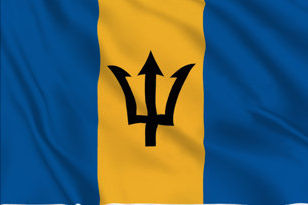
Barbados

The flag of Barbados features a vertical tricolor of ultramarine, gold, and ultramarine, with a black trident head in the center. The ultramarine bands represent the sea and sky, while the gold stripe symbolizes the island’s sandy beaches. The black trident head, a symbol of the island's national heritage, reflects the strength and resilience of the Barbadian people. This design was adopted on November 30, 1966, coinciding with Barbados's independence from Britain. The flag's distinctive elements highlight both the natural beauty of the island and its cultural identity.

Bavaria

Score: 100%


1

0
33

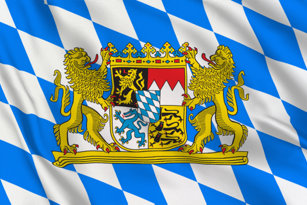
Bavaria

The flag of Bavaria features a distinctive design of alternating blue and white diamonds arranged in a lozenge pattern. This design represents the traditional colors of Bavaria, which have been used since the 12th century. The blue symbolizes the sky and the white represents the clouds, reflecting the region's natural beauty. Adopted as the state flag, it is often displayed alongside the coat of arms, which features a crowned lion and a white horse. The flag is an important symbol of Bavarian identity and culture, often seen at festivals and public events

Belarus

Score: 100%


1

0
34

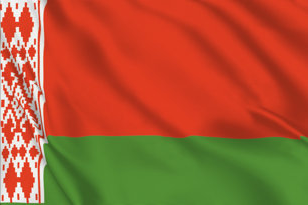
Belarus

The flag of Belarus consists of two horizontal stripes: red at the top and green at the bottom, with a vertical white and red ornamented stripe on the left side. The red symbolizes the blood shed for freedom and the green represents the lush landscapes of the country. The ornamental stripe features traditional Belarusian patterns, highlighting the nation's cultural heritage. The flag was officially adopted in 1995, although variations of the design had been used throughout the 20th century. The current design emphasizes national identity and pride, reflecting Belarus's history and traditions​.

Belgium

Score: 100%


1

0
35

Belgium

The flag of Belgium features three vertical stripes in black, yellow, and red, arranged from left to right. The black stripe symbolizes the strength and determination of the Belgian people, the yellow represents prosperity and wealth, and the red stands for courage and bravery. This tricolor design is derived from the coat of arms of the Duchy of Brabant and was officially adopted as the national flag in 1831 when Belgium gained independence from the Netherlands. The flag's colors are often associated with the country's rich history and its cultural identity.

Belize

Score: 100%


1

0
36

Belize

The flag of Belize features a blue field with red stripes at the top and bottom, and it prominently displays the national coat of arms in the center. The coat of arms showcases a shield with a mahogany tree, which represents the country's forestry industry, and two men—one of Mestizo descent and one of African descent—holding tools symbolizing the logging industry. Surrounding the coat of arms is a wreath of 50 leaves, which represents the 50th anniversary of the country's independence. The blue stripes represent the Caribbean Sea and the Pacific Ocean, while the red stripes symbolize the blood shed for independence. The flag was officially adopted on September 21, 1988, during Belize's independence celebrations.

Bolivia

Score: 100%


1

0
37

Bolivia

The flag of Bolivia features three horizontal stripes: red at the top, yellow in the middle, and green at the bottom. Each color holds specific significance: red represents the blood shed by heroes in the fight for independence, yellow symbolizes the country's mineral resources and wealth, and green represents the fertility of the land and the natural resources of Bolivia. In the center of the yellow stripe, the national coat of arms is often displayed, featuring a condor, a llama, and various other symbols of Bolivia’s cultural heritage and natural wealth. The flag was officially adopted in 1851, although the design has evolved over time. The Bolivian flag is a powerful symbol of national identity and pride, reflecting the country’s history and diverse culture.

Bosnia and Herzegovina

Score: 100%


1

0
38

Bosnia and Herzegovina

The flag of Bosnia and Herzegovina features a blue field with a yellow isosceles triangle on the left side. The triangle symbolizes the country’s three main ethnic groups: Bosniaks, Croats, and Serbs. Along the hypotenuse of the triangle, there are seven white stars, which represent the European Union, reflecting Bosnia and Herzegovina's aspiration for integration with Europe. Adopted on February 4, 1998, the flag is designed to be neutral and inclusive, reflecting the diverse cultural heritage of the nation while emphasizing unity among its people. The blue color symbolizes peace and the sky, while the yellow signifies the country's wealth and resources.

Botswana

Score: 100%


1

0
39

Botswana

The flag of Botswana features a light blue field with a horizontal black stripe in the center, bordered by thin white stripes on both sides. The light blue symbolizes water and the sky, reflecting Botswana's natural resources and its commitment to peace. The black stripe represents the country's people, while the white stripes symbolize the harmony between different groups. Adopted on September 30, 1966, the flag reflects Botswana's identity and aspirations for unity and prosperity. The design is distinctive and emphasizes the nation's cultural heritage and its vision for a peaceful future.

Brunei

Score: 100%


1

0
40

Brunei

The flag of Brunei features a yellow field with black and white diagonal stripes running from the top hoist to the bottom fly. The yellow represents the Sultan and the royal family, while the black and white stripes symbolize the two main groups in the country: the Malay and the Chinese communities. In the center of the flag, there is the national emblem of Brunei, which includes a red shield adorned with a crescent, a parasol, and two hands. The crescent represents Islam, the official religion of the country, while the parasol signifies the monarchy and the hands represent the people of Brunei. The flag was officially adopted on September 29, 1984, shortly after Brunei gained independence from the United Kingdom.

Bulgaria

Score: 100%


1

0
41

Bulgaria

The flag of Bulgaria consists of three horizontal stripes of white, green, and red, from top to bottom. The white stripe symbolizes peace and freedom, the green represents the agricultural richness of the land, and the red signifies the blood shed by those who fought for the nation's independence. This tricolor design has historical roots, with variations used since the 19th century. The current flag was officially adopted on July 5, 1991, after Bulgaria transitioned to democracy. The colors and their meanings reflect the country’s cultural identity and heritage

Burkina Faso

Score: 100%


1

0
42

Burkina Faso

The flag of Burkina Faso features two horizontal stripes of red and green, with a yellow five-pointed star in the center. The red stripe symbolizes the blood shed for independence, while the green represents the country's agricultural wealth and its natural resources. The yellow star stands for the guiding light of the revolution and the country's aspiration towards progress. This flag was officially adopted on August 4, 1984, following a revolution that brought a new government to power. The design reflects Burkina Faso's national identity and the values of its people.

Burma (Mynamar)

Score: 100%


1

0
43

Burma (Mynamar)

The flag of Myanmar (formerly known as Burma) features three horizontal stripes: yellow at the top, green in the middle, and red at the bottom. In the center of the green stripe, there is a large white five-pointed star. The yellow represents solidarity and the country's wealth, the green symbolizes peace and tranquility, and the red signifies courage and determination. Adopted on October 21, 2010, the flag reflects the nation's aspirations and cultural identity, with the colors and star embodying the hope for unity among Myanmar's diverse ethnic groups

Cabo Verde

Score: 100%


1

0
44

Cabo Verde

The flag of Cabo Verde features five horizontal stripes in blue, white, and red, with a circle of ten yellow stars positioned in an arc on the blue field. The blue symbolizes the ocean surrounding the islands, while the white represents peace. The red stripe is indicative of the struggle for independence, and the ten yellow stars represent the ten islands of Cabo Verde, symbolizing unity and hope. Adopted on September 22, 1992, the flag reflects the country’s maritime heritage and its aspirations for development and stability​.

Cambodia

Score: 100%


1

0
45

Cambodia

The flag of Cambodia features three horizontal stripes: a blue stripe at the top, a red stripe in the middle, and a blue stripe at the bottom. In the center of the red stripe, there is an image of Angkor Wat, the iconic temple complex and a symbol of Cambodian heritage. The blue represents the monarchy, the red symbolizes the nation's courage and resilience, and the central image signifies the cultural significance of Angkor Wat in Cambodian history. Adopted in 1993, this flag reflects the country's pride in its historical and architectural legacy, emphasizing both its royal heritage and its aspirations for a prosperous future.

Cameroon

Score: 100%


1

0
46

Cameroon

The flag of Cameroon features three vertical stripes in green, red, and yellow, from left to right. The green stripe represents the country's lush vegetation and forests, the red symbolizes independence and the blood shed during the struggle for liberation, and the yellow stands for the country's wealth, particularly its mineral resources. In the center of the red stripe, there is a five-pointed star, which signifies unity and the hope for a bright future for the nation. The flag was officially adopted on May 20, 1975, and its design reflects the diverse cultural and natural heritage of Cameroon. This flag's colors are often associated with the pan-African movement, representing unity among African nations​.

Canada

Score: 100%


1

0
47

Canada

The flag of Canada, known as the "Maple Leaf," features a red field with a white square at its center, which contains a stylized red maple leaf with 11 points. The red symbolizes the sacrifices made during wartime and the white represents peace and tranquility. Adopted on February 15, 1965, the flag reflects Canada's natural heritage and cultural identity, with the maple leaf being a recognized symbol of Canada since the 18th century. The design is simple yet striking, embodying the values of unity and inclusiveness in Canadian society.

Cayman Islands

Score: 100%


1

0
48

Cayman Islands

The flag of the Cayman Islands features a blue field with a British Union Jack in the canton (the upper left corner). Beneath the Union Jack, the flag displays the Cayman Islands coat of arms, which features a turtle, a pineapple, and a lion holding a cross. The blue represents the sea, the Union Jack symbolizes the islands' British heritage, and the coat of arms reflects the local culture and natural resources. Adopted in 1958, this flag signifies the islands' ties to the United Kingdom while also highlighting their unique identity within the Caribbean region.

Central African Republic

Score: 100%


1

0
49

Central African Republic

The flag of the Central African Republic features four horizontal stripes of blue, white, green, and yellow, from top to bottom, with a vertical red stripe in the center. The blue symbolizes the sky and hope, the white represents peace, the green signifies the country's natural resources, and the yellow reflects wealth and prosperity. The red vertical stripe stands for the bloodshed in the struggle for independence. In the top left corner, there is a five-pointed yellow star, which represents the country's aspirations and unity. Adopted on August 1, 1960, the flag reflects the diverse cultural heritage of the nation and its commitment to peace and stability​.

Chad

Score: 100%


1

0
50

Chad

The flag of Chad consists of three vertical stripes of blue, yellow, and red, from left to right. The blue stripe symbolizes the sky and hope, the yellow represents the desert and the country's wealth, and the red signifies the blood shed for independence. Adopted on November 6, 1959, the flag's design is similar to that of Romania, reflecting a shared heritage while representing Chad's unique identity. The use of these colors emphasizes the diverse geography and the aspirations of the Chadian people.

Chile

Score: 100%


1

0
51

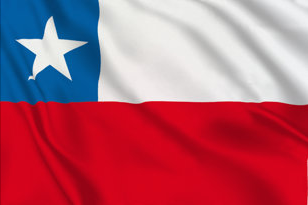
Chile

The flag of Chile, known as "La Estrella Solitaria" (The Lone Star), features two horizontal bands of white and red, with a blue square in the upper hoist corner containing a white five-pointed star. The white symbolizes the snow-covered Andes Mountains, the red represents the blood shed for independence, and the blue signifies the sky and the Pacific Ocean. The flag was officially adopted on October 18, 1817, and its design reflects Chile's natural beauty and the struggles for freedom. The star in the blue square stands for a guide toward progress and honor.

China

Score: 100%


1

0
52

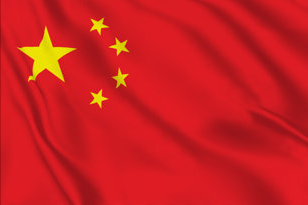
China

The flag of China features a red field with five yellow stars in the top left corner. The larger star represents the Communist Party, while the four smaller stars symbolize the four social classes: the working class, the peasantry, the urban petite bourgeoisie, and the national bourgeoisie. The stars are arranged in a way that reflects the unity of the Chinese people under the leadership of the Communist Party. Adopted on October 1, 1949, the flag's red background signifies the communist revolution and the bloodshed in the struggle for liberation. The design embodies the country's aspirations for unity and strength.

Colombia

Score: 100%


1

0
53

Colombia

The flag of Colombia consists of three horizontal stripes: a yellow stripe at the top that is twice the height of the other two, followed by blue and red stripes. The yellow represents the country's wealth and resources, the blue symbolizes the seas and rivers, and the red signifies the blood shed for independence. The flag was officially adopted on July 20, 1810, reflecting the nation's struggle for freedom from Spanish colonial rule. Its design has historical roots, representing the unity and diversity of Colombia's people and geography.

Comoros

Score: 100%


1

0
54

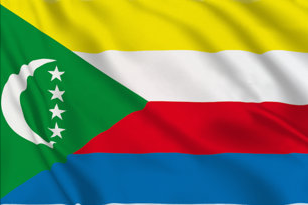
Comoros

The flag of Comoros features four horizontal stripes of yellow, white, red, and blue, with a green vertical stripe on the left side that contains a white crescent and four white stars. The yellow represents the sun, the white symbolizes peace, the red stands for the blood of those who fought for independence, and the blue represents the sea. The green stripe and crescent symbolize Islam, the predominant religion in the country, while the four stars represent the four main islands of Comoros: Grande Comore, Mohéli, Anjouan, and Mayotte. The flag was officially adopted on January 7, 2003, reflecting the nation's identity and cultural heritage. Its design embodies the unity and diversity of the Comorian islands.

Cook Islands

Score: 100%


1

0
55

Cook Islands

The flag of the Cook Islands features a blue field with a Union Jack in the canton and a circular wreath of 15 white stars on the right. The blue represents the ocean surrounding the islands, while the stars symbolize the 15 islands that make up the Cook Islands, each star representing one island. The Union Jack signifies the islands' ties to the United Kingdom. Adopted in 1979, the flag reflects the Cook Islands' identity and its status as a self-governing territory in free association with New Zealand. The design embodies both the islands' cultural heritage and their connection to the broader Pacific community.

Costa Rica

Score: 100%


1

0
56

Costa Rica

The flag of Costa Rica features five horizontal stripes: a blue stripe at the top, followed by a white stripe, a wider red stripe in the center, and then another white stripe, topped by a blue stripe. The blue represents the sky, opportunities, and perseverance; the white symbolizes peace, happiness, and wisdom; and the red stripe signifies the blood shed for freedom and the warmth of the Costa Rican people. Adopted on November 27, 1848, the flag reflects Costa Rica's commitment to peace and democracy. The design is reminiscent of the flag of France, representing the values of liberty, equality, and fraternity.

Cote d’Ivoire (Ivory Coast)

Score: 100%


1

0
57

Cote d’Ivoire (Ivory Coast)

The flag of Côte d'Ivoire (Ivory Coast) features three vertical stripes of orange, white, and green, from left to right. The orange stripe represents the country's savannas, the white symbolizes peace and unity, and the green represents the forests and the rich agricultural land. Adopted on December 3, 1959, the flag's design reflects the natural diversity of the country as well as its aspirations for peace and national unity. The colors are often interpreted as a representation of the cultural and environmental richness of Côte d'Ivoire.

Croatia

Score: 100%


1

0
58

Croatia

The flag of Croatia consists of three horizontal stripes of red, white, and blue, from top to bottom. In the center, it features the country's coat of arms, which includes a shield depicting a checkered pattern of red and white squares, crowned with a blue, silver, and gold crown that represents the historical regions of Croatia. Adopted on December 21, 1990, the flag's colors are derived from the Pan-Slavic colors, symbolizing Slavic heritage, while the coat of arms represents the national identity and historical significance of Croatia. The design emphasizes the country's cultural pride and its status as an independent nation​.

Cuba

Score: 100%


1

0
59

Cuba

The flag of Cuba consists of five horizontal stripes, alternating blue and white, with a red triangle at the hoist side containing a white five-pointed star. The blue stripes represent the three departments of Cuba at the time of independence, while the white stripes symbolize the purity of the independence movement. The red triangle signifies the blood shed in the struggle for freedom, and the star represents independence and freedom. Adopted on February 24, 1902, the flag's design reflects the country's history and aspirations for liberty and sovereignty. The colors and symbols are influenced by the ideals of the Cuban independence movement and the desire for a national identity.

Cyprus

Score: 100%


1

0
60

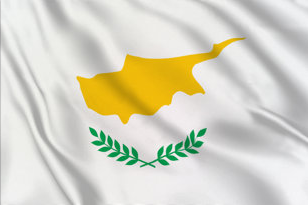
Cyprus

The flag of Cyprus features a white field with a copper-colored silhouette of the island and two green olive branches beneath it. The white background symbolizes peace, while the olive branches represent the hope for peace and reconciliation between the island's Greek and Turkish communities. The copper color of the island silhouette reflects Cyprus's historical association with copper mining. Adopted on August 16, 1960, the flag represents the independence of Cyprus and the desire for harmony among its diverse population.

Democratic Republic of the Congo

Score: 100%


1

0
61

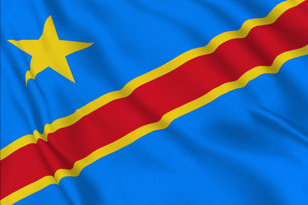
Democratic Republic of the Congo

The flag of the Democratic Republic of the Congo (DRC) features a sky blue field with a yellow star in the upper hoist corner and a vertical red stripe along the fly side. The blue represents peace and hope, the red symbolizes the blood shed for independence, and the yellow star stands for the country's aspirations and unity. Adopted on February 20, 2006, the flag reflects the nation's journey towards peace and stability following years of conflict. The design is vibrant and symbolizes the DRC's rich cultural heritage and natural beauty​.

Denmark

Score: 100%


1

0
62

Denmark

The flag of Denmark, known as the Dannebrog, is characterized by a red field with a white Scandinavian cross that extends to the edges of the flag. The vertical part of the cross is shifted towards the hoist side, which is a common feature in Nordic flags. The red color symbolizes bravery and valor, while the white represents peace and honesty. The Dannebrog is one of the oldest national flags in the world, with a legend that it fell from the sky during a battle in 1219, signifying divine approval. It was officially adopted in the 14th century and has since become a symbol of Danish national pride and identity.

Djibouti

Score: 100%


1

0
63

Djibouti

The flag of Djibouti features a light blue field in the upper half, representing the sky and the sea, and a green field in the lower half, symbolizing the country's lush lands. A white isosceles triangle is positioned on the hoist side, which contains a red five-pointed star. The white triangle symbolizes peace, while the red star represents the blood of the country's martyrs. Adopted on June 27, 1977, the flag reflects Djibouti's natural environment and aspirations for peace and unity among its diverse population.

Dominica

Score: 100%


1

0
64

Dominica

The flag of Dominica features a green field with a centered cross of black, yellow, and white stripes. In the center of the cross is the coat of arms of Dominica, which depicts a parrot (the Sisserou parrot) surrounded by ten stars, representing the ten parishes of the country. The green color symbolizes the lush vegetation of the island, while the black represents the African heritage of the nation, yellow symbolizes the island's abundant resources, and white signifies peace. Adopted on November 3, 1978, the flag reflects Dominica's natural beauty and cultural diversity, incorporating elements that highlight both its ecology and history.

Dominican Republic

Score: 100%


1

0
65

Dominican Republic

The flag of the Dominican Republic consists of a cross that divides the flag into four rectangles, with the colors blue and red in the top and bottom sections, respectively, and white in the left and right sections. At the center of the cross is the national coat of arms, which features a Bible, a cross, and a cluster of spears. The blue represents liberty, the red symbolizes the blood shed for independence, and the white signifies peace. The coat of arms reflects the Dominican Republic's Christian heritage and the importance of faith in the nation's history. Adopted on November 6, 1844, the flag is a symbol of national pride and has a rich historical context, representing the fight for independence and the values of the Dominican people​.

Ecuador

Score: 100%


1

0
66

Ecuador

The flag of Ecuador features three horizontal stripes: yellow at the top, blue in the middle, and red at the bottom. The yellow stripe is twice the height of the other two. The yellow symbolizes the country's abundance and fertility, the blue represents the ocean and the sky, and the red stands for the blood shed by those who fought for independence. In the center of the flag is the national coat of arms, which includes a condor, the Chimborazo volcano, and a representation of the Andes, emphasizing the country's natural beauty and biodiversity. Adopted on September 26, 1860, the flag reflects Ecuador's national identity and historical heritage​.

Egypt

Score: 100%


1

0
67

Egypt

The flag of Egypt features three horizontal stripes of red, white, and black, from top to bottom. The red stripe symbolizes the blood of those who sacrificed their lives for the nation, the white represents peace and the purity of the Egyptian people, and the black stands for the oppression endured throughout history. At the center of the white stripe is the national emblem of Egypt, which consists of a golden eagle of Saladin. This eagle represents strength, power, and the Arab nation. The current design was adopted on October 4, 1984, but the colors have historical significance dating back to the 1952 revolution, which overthrew the monarchy and established a republic. The flag is a powerful symbol of Egyptian nationalism and unity​.

El Salvador

Score: 100%


1

0
68

El Salvador

The flag of El Salvador consists of three horizontal stripes: two blue stripes at the top and bottom, and a white stripe in the center. The blue represents the Pacific Ocean and the Caribbean Sea, while the white symbolizes peace and the desire for tranquility among the nations. In the center of the white stripe is the national emblem, which features a triangle containing five volcanoes and a rainbow, symbolizing the country's beauty and prosperity. The emblem also includes the words "República de El Salvador en la América Central" and the date of independence. The flag was officially adopted on May 27, 1912, and its design reflects El Salvador's national identity and aspirations for peace.

Equatorial Guinea

Score: 100%


1

0
69

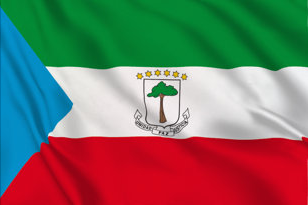
Equatorial Guinea

The flag of Equatorial Guinea features three horizontal stripes of green, white, and red, with a blue triangle extending from the hoist side. The green stripe represents the country's lush vegetation, the white symbolizes peace, and the red signifies the blood shed for independence. Inside the white stripe is the national coat of arms, which includes a silk cotton tree and six stars, representing the mainland and five islands of Equatorial Guinea. Adopted on October 12, 1968, the flag's design reflects the nation’s identity and aspirations for unity and independence.

Eritrea

Score: 100%


1

0
70

Eritrea

The flag of Eritrea features a red triangle on the hoist side that extends to the center of the flag, which is composed of three horizontal stripes: green at the top, blue in the middle, and red on the hoist. The green represents the country's agriculture and the land, the blue symbolizes the sea, and the red signifies the blood shed in the struggle for independence. In the red triangle, there is a golden olive branch surrounded by a wreath of olive leaves, symbolizing peace and the resilience of the Eritrean people. The flag was officially adopted on May 5, 1993, following Eritrea's independence from Ethiopia. The design and colors reflect Eritrea's national identity and the values of its people​.

Estonia

Score: 100%


1

0
71

Estonia

The flag of Estonia consists of three horizontal stripes of blue, black, and white. The blue stripe at the top symbolizes the sky and the sea, the black represents the soil and the past hardships of the Estonian people, and the white signifies peace and the desire for a brighter future. The flag was officially adopted on November 21, 1922, and is associated with Estonia's quest for independence and national identity. The colors have deep historical significance, rooted in Estonian folklore and traditions​.

Eswatini

Score: 100%


1

0
72

Eswatini

The flag of Eswatini, formerly known as Swaziland, features a unique design with three horizontal stripes: blue at the top, yellow in the middle, and red at the bottom. The blue stripes represent peace and stability, while the red stripe symbolizes the struggles of the people. The yellow stripe signifies the country's wealth and resources. In the center of the flag is a black and white shield, adorned with a spear and a staff crossed behind it. The shield symbolizes protection and defense of the nation, while the colors represent the cultural heritage of the Swazi people. Adopted on October 6, 1968, the flag embodies Eswatini's identity and aspirations as a proud, independent nation.

Ethiopia

Score: 100%


1

0
73

Ethiopia

The flag of Ethiopia features three horizontal stripes of green, yellow, and red from top to bottom. These colors have deep historical significance: green represents the land and hope, yellow symbolizes peace and harmony, and red stands for the sacrifices made for freedom and justice. In the center of the flag is the national emblem, which consists of a blue circle with a yellow star and rays extending outward. The star symbolizes diversity and unity among the various ethnic groups in Ethiopia, while the rays represent the hope for a brighter future. The flag was officially adopted on February 6, 1996, but the colors and symbolism date back to the early 20th century, making it one of the oldest flags in Africa.

Fiji

Score: 100%


1

0
74

Fiji

The flag of Fiji features a light blue field with the Union Jack in the canton (upper left corner), symbolizing the country's historical ties to the United Kingdom. To the right of the Union Jack is Fiji's national coat of arms, which depicts a shield supported by a native warrior and a European settler. The shield showcases a sugar cane, a coconut palm, and a dove, representing the country's agricultural heritage and peace. Adopted on October 10, 1970, the flag reflects Fiji's colonial past while emphasizing its cultural diversity and natural resources. The light blue background represents the Pacific Ocean, which is central to Fijian life and identity.

Gabon

Score: 100%


1

0
75

Gabon

Gambia

Score: 100%


1

0
76

Gambia

The flag of Gambia consists of three horizontal stripes of red, blue, and green, with white stripes separating each color. The red stripe at the top symbolizes the struggle for independence and the determination of the Gambian people. The blue stripe represents the Gambia River, which is central to the country's geography and economy. The green stripe signifies the land and its agricultural resources. The white stripes symbolize peace and unity among the diverse groups within the country. The flag was officially adopted on February 18, 1965, when Gambia gained independence from the United Kingdom. The design reflects Gambia's identity, aspirations, and connection to its natural environment​.

Georgia

Score: 100%


1

0
77

Georgia

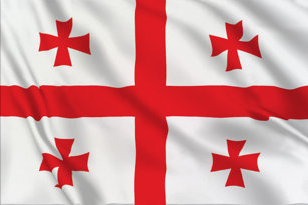
The flag of Georgia consists of a white field with a large red cross that extends to the edges, which is the St. George's Cross. In each of the four quadrants created by the cross, there is a smaller red cross, known as the Georgian Cross. This design is rich in historical symbolism, representing Christianity and the country's patron saint, St. George. Adopted on January 14, 2004, the flag is rooted in the history of the Georgian kingdom and reflects the nation’s identity and Christian heritage. The colors and design have been associated with Georgia for centuries, making it a powerful symbol of national pride.

Germany

Score: 100%


1

0
78

Germany

The flag of Germany consists of three horizontal stripes of black, red, and gold, from top to bottom. The black symbolizes the strength and determination of the German people, the red represents the struggles for freedom, and the gold signifies the nation's prosperity and optimism. The current design was officially adopted in 1949 and is rooted in Germany's history, particularly associated with the 1848 revolutions that aimed for a unified and democratic Germany. The colors have been used in various forms throughout German history, representing unity and freedom​.

Ghana

Score: 100%


1

0
79

Ghana

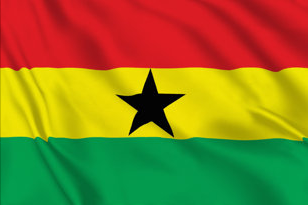
The flag of Ghana features three horizontal stripes of red, yellow, and green, from top to bottom. The red stripe symbolizes the blood shed by those who fought for the country's independence, the yellow represents the wealth of Ghana, particularly in natural resources, and the green signifies the country's rich agriculture and forests. In the center of the yellow stripe is a black five-pointed star, which is a symbol of African freedom and represents the hope and aspirations of the people of Ghana. The flag was officially adopted on March 6, 1957, when Ghana became the first African nation to gain independence from colonial rule. The colors and symbols of the flag reflect Ghana's national identity, heritage, and aspirations​.

Greece

Score: 100%


1

0
80

Greece

The flag of Greece features nine horizontal stripes alternating between blue and white, symbolizing the waves of the Aegean Sea. The blue color represents the sky and sea, while the white signifies purity and the struggle for independence. In the upper hoist corner, there is a blue square with a white cross, which represents Greek Orthodoxy, the predominant religion in the country. The flag was officially adopted on December 22, 1822, during the Greek War of Independence. The design and colors of the flag reflect Greece's rich maritime history, cultural heritage, and national identity.

Grenada

Score: 100%


1

0
81

Grenada

The flag of Grenada consists of a red field with a large yellow triangle on the hoist side and two green triangles on the fly side. In the center of the yellow triangle is a small nutmeg pod, symbolizing the island's spice industry. The flag's design features a total of five stars, representing the five parishes of Grenada. The red background signifies courage and the struggle for independence, while the yellow symbolizes the country's wealth and the green represents the lush vegetation and agricultural resources. The flag was officially adopted on February 7, 1974, when Grenada gained independence from the United Kingdom. Overall, the flag reflects Grenada's identity, natural beauty, and cultural heritage.

Guatemala

Score: 100%


1

0
82

Guatemala

The flag of Guatemala features three vertical stripes: two sky blue stripes on the outer edges and a white stripe in the center. The blue symbolizes the sky and the ocean, representing the country's identity in Central America. The white stripe signifies peace and purity. At the center of the flag is the national emblem, which includes a Quetzal bird, a symbol of freedom, perched on a scroll that contains the date of Central America's independence from Spain (September 15, 1821). The emblem is surrounded by a laurel wreath, representing victory. The current design was officially adopted on September 17, 1871, but the colors have historical significance dating back to the early 19th century, reflecting Guatemala's rich cultural heritage and aspirations for peace.

Guinea

Score: 100%


1

0
83

Guinea

The flag of Guinea features three vertical stripes of red, yellow, and green from left to right. The red stripe symbolizes the blood of those who fought for the nation's independence, the yellow represents the country's natural resources and wealth, and the green signifies the rich vegetation and agricultural potential of Guinea. Adopted on November 10, 1958, the flag reflects Guinea's national identity and aspirations following its independence from French colonial rule. The colors are inspired by the Pan-African movement, emphasizing solidarity among African nations.

Guinea-Bissau

Score: 100%


1

0
84

Guinea-Bissau

The flag of Guinea-Bissau features two horizontal stripes: the top half is yellow and the bottom half is red. On the hoist side, there is a black five-pointed star within a red vertical stripe. The yellow color symbolizes the country's rich natural resources, while the red represents the blood shed during the struggle for independence from colonial rule. The black star symbolizes African freedom and unity. Adopted on August 24, 1973, the flag reflects the country's identity and historical context, aligning with the Pan-African movement's colors, which emphasize solidarity among African nations​.

Guyana

Score: 100%


1

0
85

Guyana

The flag of Guyana features a green field with a bold red isosceles triangle on the hoist side. The triangle is bordered by a narrow white stripe and a larger black stripe on the outer edge. The green symbolizes the country's lush forests, the red represents the struggle for independence, the white signifies peace and justice, and the black symbolizes strength and resilience. The flag was officially adopted on May 26, 1966, coinciding with Guyana's independence from the United Kingdom. Its design incorporates elements reflecting the nation's diverse culture and heritage, and the colors are associated with various aspects of Guyanese identity.

Haiti

Score: 100%


1

0
86

Haiti

The flag of Haiti consists of two horizontal bands of blue and red, with a white rectangle at the center displaying the national coat of arms. The blue represents the country's African heritage, while the red symbolizes the blood shed for independence. The coat of arms features a palm tree topped with a liberty cap, surrounded by two cannons, flags, and a scroll that states "Union, Freedom." Adopted on February 15, 1986, the flag's design has undergone changes throughout Haiti's history, reflecting its struggles and aspirations as a nation. The colors and emblem symbolize unity and the fight for freedom.

Holy See

Score: 100%


1

0
87

Holy See

The flag of the Holy See, also known as the Vatican flag, features two vertical bands: the hoist side is yellow and the fly side is white. Centered on the white band is the crossed keys of Saint Peter, which symbolize the keys to heaven, and a Papal Tiara. The keys are gold and silver, representing the power of the Pope to bind and loose. The flag's design reflects the religious and historical significance of the Holy See, emphasizing its role as the spiritual and administrative center of the Catholic Church. The flag was officially adopted on June 7, 1929, following the Lateran Treaty that recognized the sovereignty of Vatican City. The colors yellow and white are also associated with the papacy, symbolizing spiritual light and the divine.

Honduras

Score: 100%


1

0
88

Honduras

The flag of Honduras consists of three horizontal stripes: two blue stripes on the top and bottom, with a white stripe in the middle. The blue stripes represent the Caribbean Sea and the Pacific Ocean that border the country, while the white symbolizes peace and prosperity. In the center of the white stripe, there are five blue stars arranged in an "X" pattern, symbolizing the five nations of the former Federal Republic of Central America (Honduras, Costa Rica, El Salvador, Guatemala, and Nicaragua) and the hope for Central American unity. The flag was officially adopted on March 7, 1866, and its design closely reflects the colors and elements found in other Central American flags, which share historical ties.

Hungary

Score: 100%


1

0
89

Hungary

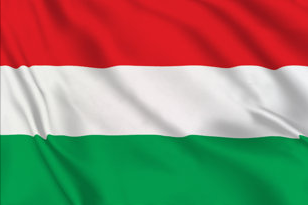
The flag of Hungary consists of three horizontal stripes: red on the top, white in the middle, and green at the bottom. Each color has symbolic meaning: red represents strength and the blood shed for the country, white stands for freedom and faithfulness, and green signifies hope and the land's fertility. This tricolor design is rooted in Hungary's national identity and history, with influences dating back to the 19th-century Hungarian Revolution and the European uprisings of 1848. The current flag was officially adopted in 1957 after several historical variations.

Iceland

Score: 100%


1

0
90

Iceland

The flag of Iceland features a blue field with a red cross outlined in white, extending to the edges. The colors symbolize various aspects of Iceland's natural landscape: the blue represents the Atlantic Ocean surrounding the island, the white represents the snow and glaciers, and the red symbolizes the volcanic activity that is prominent in the country. The design is inspired by the Nordic cross, similar to flags of other Scandinavian countries, reflecting Iceland's cultural and historical ties to Scandinavia. The flag was officially adopted on June 19, 1915, and became the national flag when Iceland gained full independence in 1944

India

Score: 100%


1

0
91

India

The flag of India, known as the "Tiranga" (meaning "Tricolor"), consists of three horizontal bands: saffron at the top, white in the middle, and green at the bottom. The saffron color represents courage and sacrifice, white stands for peace and truth, and green symbolizes faith and chivalry. In the center of the white band is a navy blue Ashoka Chakra, a 24-spoke wheel that signifies the eternal wheel of law and dharma (righteousness). This design was officially adopted on July 22, 1947, just before India gained independence, and it reflects the values of unity, freedom, and peace.

Indonesia

Score: 100%


1

0
92

Indonesia

The flag of Indonesia, known as "Sang Merah Putih" (The Red and White), consists of two horizontal bands. The top band is red, symbolizing courage, while the bottom band is white, representing purity and honesty. The simple yet powerful design is based on historical flags of the Majapahit Empire, reflecting Indonesia's heritage. The flag was officially adopted on August 17, 1945, following Indonesia's declaration of independence from the Netherlands. Its design is identical to the flag of Monaco, but the flags are differentiated by their historical and cultural contexts.

Iran

Score: 100%


1

0
93

Iran

The flag of Iran features three horizontal stripes in green, white, and red from top to bottom. Green symbolizes growth and Islam, white represents peace, and red stands for courage and martyrdom. In the center of the white stripe is a red emblem that combines various Islamic symbols to resemble the word "Allah" and symbolizes the principles of the Iranian Revolution. The flag's inner edges of the green and red bands are inscribed with the phrase "Allahu Akbar" ("God is Great") repeated 22 times, marking the date of the revolution in the Islamic calendar. This current design was adopted on July 29, 1980, following the 1979 revolution that established the Islamic Republic of Iran.

Iraq

Score: 100%


1

0
94

Iraq

The flag of Iraq consists of three horizontal stripes in red, white, and black, which are traditional Pan-Arab colors symbolizing Arab unity and freedom. In the center of the white stripe, the phrase "Allahu Akbar" ("God is Great") is inscribed in green Arabic script. This phrase was added in 1991 and reflects the country’s Islamic heritage. The flag’s design has evolved over the years, with its current version adopted in 2008. The colors and inscription represent Iraq's national identity, its Islamic faith, and its connection to the broader Arab world​.

Ireland

Score: 100%


1

0
95

Ireland

The flag of Ireland, also known as the Irish Tricolor, features three vertical bands of green, white, and orange. The green represents the Irish Catholic and nationalist community, while the orange represents the Protestant and unionist community. The white in the center symbolizes peace and unity between these two groups. The flag was first introduced in 1848 but became widely recognized during the Irish independence movement. It was officially adopted as the national flag upon the establishment of the Irish Free State in 1922, symbolizing hope for reconciliation between the island's communities.

Israel

Score: 100%


1

0
96

Israel

The flag of Israel features a white field with two horizontal blue stripes near the top and bottom edges, and a blue Star of David (Magen David) in the center. The design is inspired by the Jewish prayer shawl, or tallit, which traditionally has blue stripes. The Star of David, a symbol of Judaism, reflects the identity and unity of the Jewish people. This flag was officially adopted on October 28, 1948, shortly after the establishment of the State of Israel, and represents Jewish heritage, faith, and the Zionist movement that led to Israel’s founding​.

Italy

Score: 100%


1

0
97

Italy

The flag of Italy consists of three vertical stripes in green, white, and red. The green symbolizes hope, the white represents faith and peace, and the red stands for charity and the sacrifices made for Italy's independence and unity. This tricolor design was inspired by the French flag and was first used by Italian republics in the late 18th century during the Napoleonic Wars. The Italian flag, officially adopted on January 1, 1948, is a prominent symbol of Italian identity, national pride, and values.

Jamaica

Score: 100%


1

0
98

Jamaica

The flag of Jamaica consists of diagonal stripes in green, yellow, and black, forming a cross. The green represents the island's lush vegetation and hope for the future, while yellow symbolizes the country's wealth and natural resources. The black represents the strength and resilience of the Jamaican people in overcoming challenges. The flag was officially adopted on August 6, 1962, when Jamaica gained independence from the United Kingdom. It is one of the few flags in the world that does not have a red stripe, and its distinct design reflects the country's rich history and cultural identity.

Japan

Score: 100%


1

0
99

Japan

The flag of Japan, known as the "Nisshōki" (日章旗) in Japanese, consists of a white field with a red circular disc in the center. The red circle symbolizes the sun, a reference to Japan's nickname as the "Land of the Rising Sun." The design is simple yet powerful, reflecting the country's cultural and historical reverence for the sun and its connection to Japanese mythology. The flag was officially adopted on August 5, 1854, though it has been used in various forms for centuries prior to that. Its minimalist design is a key feature of Japan's identity on the global stage.

Jordan

Score: 100%


1

0
100

Jordan

The flag of Jordan consists of three horizontal stripes: black at the top, white in the middle, and green at the bottom, with a red triangle at the hoist side. The black, white, and green stripes are Pan-Arab colors, symbolizing the unity and history of the Arab people. The red triangle represents the Hashemite dynasty, to which the Jordanian royal family belongs, as well as the sacrifices made for the country’s independence. In the center of the red triangle is a white seven-pointed star, which symbolizes the seven districts of Jordan and the unity of the nation. The flag was adopted on April 18, 1928, and its design reflects both Jordan's Arab heritage and its royal lineage.

Kazakhstan

Score: 100%


1

0
101

Kazakhstan

The flag of Kazakhstan features a sky blue field with a gold sun and a soaring eagle in the center. The sun, with 32 rays, symbolizes life, energy, and freedom, while the eagle represents power, strength, and the aspirations of the Kazakh people. Along the flag's hoist side, there is a vertical ornamental pattern, known as a "koshkar-muiz" (ram's horns), which reflects the country's rich cultural heritage and traditional motifs. The flag was officially adopted on June 4, 1992, following Kazakhstan's independence from the Soviet Union. The blue color signifies peace and unity, while the sun and eagle reflect the nation’s pride and spirit.

Kenya

Score: 100%


1

0
102

Kenya

The flag of Kenya consists of three horizontal stripes—black at the top, white-edged red in the middle, and green at the bottom. In the center of the flag, there is a red, white, and black shield and two crossed spears. The black represents the people of Kenya. The red symbolizes the blood shed during the struggle for independence. The green represents the country's land and natural resources. The white borders symbolize peace and unity. The shield and spears are traditional symbols of defense and bravery, emphasizing the nation's strength and fight for freedom. The flag was adopted on December 12, 1963, when Kenya gained independence from British colonial rule.

Kiribati

Score: 100%


1

0
103

Kiribati

The flag of Kiribati features a bright red upper portion with a golden frigate bird flying over a stylized rising sun. Below the sun, there are three horizontal blue waves representing the Pacific Ocean, symbolizing the island nation's location and its maritime heritage. The red represents the strength of the people. The golden bird symbolizes freedom and the nation's connection to the ocean and skies. The blue waves represent the vast waters surrounding the islands. The flag was adopted on July 12, 1979, when Kiribati gained independence. Its design emphasizes the country's natural beauty and cultural identity.

Korea

Score: 100%


1

0
104

Korea

The flag of Korea refers to the flag of South Korea (Republic of Korea), which consists of a white field with a central blue and red yin-yang symbol, called the taeguk, and four black trigrams, one in each corner. The taeguk in the center represents balance, with the red (top) symbolizing positive forces (yang) and the blue (bottom) representing negative forces (yin). Together, they reflect the harmonious balance of opposites in the universe. The four black trigrams, derived from the ancient Chinese philosophy of the I Ching, represent the fundamental principles of the universe: heaven, earth, fire, and water. Adopted on January 25, 1949, the flag is a symbol of the unity of the Korean people and their efforts toward peace and prosperity.

Kosovo

Score: 100%


1

0
105

Kosovo

The flag of Kosovo features a blue field with a map of Kosovo in gold at the center, surrounded by six white stars arranged in an arc above the map. The stars represent Kosovo's six main ethnic groups: Albanians, Serbs, Bosniaks, Gorani, Romans, and Ashkali. The blue background symbolizes the European aspirations of Kosovo, while the gold map reflects the country's identity and independence. The stars are a symbol of Kosovo’s multicultural society and the hope for a peaceful, unified future. The flag was adopted on February 17, 2008, when Kosovo declared independence from Serbia. It is a representation of Kosovo's vision for democracy, inclusivity, and European integration.

Kuwait

Score: 100%


1

0
106

Kuwait

The flag of Kuwait consists of three horizontal stripes—green at the top, white in the middle, and red at the bottom—along with a black trapezoid at the hoist side. The green stripe represents the fertile land and prosperity of Kuwait. The white symbolizes peace and purity. The red stands for the blood shed by those who fought for the country’s independence. The black trapezoid is a symbol of the defeat of the enemy. The flag was officially adopted on September 7, 1961, when Kuwait gained independence from the United Kingdom. It reflects the country's history, values, and aspirations for peace and prosperity.

Kyrgyzstan

Score: 100%


1

0
107

Kyrgyzstan

The flag of Kyrgyzstan consists of a red field with a gold sun in the center, containing a stylized, circular pattern that represents a traditional yurt, a portable tent structure used by the Kyrgyz people. The sun has 40 rays, which symbolize the 40 tribes that united to form the Kyrgyz nation. The central sun and its rays symbolize the bright future, unity, and life-giving energy, while the red background signifies bravery and the country's historical struggles. The flag was officially adopted on March 3, 1992, following Kyrgyzstan's independence from the Soviet Union.

Laos

Score: 100%


1

0
108

Laos

The flag of Laos consists of three horizontal stripes: a red top and bottom, with a blue stripe in the middle. In the center of the blue stripe, there is a white circle representing the moon. The red stripes symbolize the blood shed for the country’s independence. The blue stripe represents the nation's wealth and its future prospects. The white circle symbolizes unity and the full moon, which is a prominent feature in Lao culture. The flag was officially adopted on December 2, 1975, when the Lao People's Democratic Republic was established, following the end of the monarchy.

Latvia

Score: 100%


1

0
109

Latvia

The flag of Latvia features a simple yet distinctive design with a deep red field and a narrow white horizontal stripe running across the center. The red color represents the struggle for independence and the courage of the Latvian people. The white stripe symbolizes peace, unity, and the desire for freedom. The flag's design is based on an ancient Latvian banner dating back to the 13th century, reflecting the country's historical heritage. It was officially adopted on November 18, 1918, with its modern version being confirmed on February 7, 1990, following the restoration of independence from the Soviet Union.

Lebanon

Score: 100%


1

0
110

Lebanon

The flag of Lebanon features three horizontal stripes: a white middle stripe and red stripes at the top and bottom. In the center of the white stripe, there is a green cedar tree, which is a symbol of Lebanon’s strength, resilience, and the country's historical and cultural significance. The red stripes symbolize the bloodshed for Lebanon’s independence and the sacrifices made by its people. The white stripe represents peace and the snow-capped mountains of Lebanon, which are an iconic part of the country's landscape. The green cedar tree has been a national symbol of Lebanon for centuries, representing eternal life and peace. The flag was officially adopted on December 7, 1943, following Lebanon's independence from France.

Lesotho

Score: 100%


1

0
111

Lesotho

The flag of Lesotho consists of three horizontal stripes: blue at the top, white in the middle, and green at the bottom. In the center of the white stripe is a black Basotho shield, which is a traditional symbol representing the Basotho people. The flag's design and colors have specific meanings: The blue represents the sky, symbolizing peace and tranquility. The white stands for the country's commitment to peace and unity. The green symbolizes the country's fertile land and the hope for progress and prosperity. The black shield is a symbol of the people of Lesotho, representing their strength and protection. The flag was adopted on October 4, 2006, following the country's independence from Britain in 1966, with a design change to emphasize national unity.

Liberia

Score: 100%


1

0
112

Liberia

The flag of Liberia consists of 11 horizontal red and white stripes, symbolizing the signatories of the Liberian Declaration of Independence. In the top left corner, there is a blue square with a white star, which represents the freedom of the country. The red stripes symbolize courage and the sacrifices made for independence. The white stripes stand for purity and the country's commitment to justice. The blue square with the white star symbolizes the African continent and the hope for unity, with the single star representing Liberia as the first African republic to gain independence. The flag was officially adopted on August 24, 1847, following Liberia's declaration of independence. It reflects the nation's history, its founding by freed American slaves, and its connections to both Africa and the United States.

Libya

Score: 100%


1

0
113

Libya

The flag of Libya, adopted in 2011 after the fall of Muammar Gaddafi, is a horizontal tricolour with three equal stripes: red at the top, black in the middle, and green at the bottom. In the center of the black stripe, there is a white crescent and a five-pointed star. Red represents the blood of those who fought for Libya's freedom. Black symbolizes the dark days of colonization and the oppression faced under Gaddafi. Green reflects the country’s aspirations for prosperity, peace, and its environmental significance. The crescent and star symbolize Islam, which is the dominant religion in Libya. The flag was reinstated following Gaddafi's overthrow in 2011, replacing the previous flag used during his regime.

Liechtenstein

Score: 100%


1

0
114

Liechtenstein

The flag of Liechtenstein consists of two horizontal bands: the top band is blue, and the bottom band is red. In the upper left corner of the blue stripe, there is a gold crown. The blue represents the sky and the tranquility of the country. The red symbolizes the warmth of the people and the country's commitment to progress. The gold crown signifies the sovereignty of the country and the role of the princely family in Liechtenstein’s governance. This design was officially adopted on June 6, 1937. The flag is a symbol of the country's rich history, independence, and the close connection between the royal family and the people of Liechtenstein.

Lithuania

Score: 100%


1

0
115

Lithuania

The flag of Lithuania consists of three horizontal stripes of equal width: yellow at the top, green in the middle, and red at the bottom. Yellow symbolizes the country's wealth and the sun, representing hope and prosperity. Green stands for the forests, nature, and the fertility of the land. Red represents the courage, strength, and the blood shed for Lithuania’s independence. The flag was first adopted in 1918 when Lithuania declared its independence and was later reinstated in 1989 after the country regained independence from the Soviet Union. The colors are deeply rooted in Lithuania's cultural and historical identity.

Luxembourg

Score: 100%


1

0
116

Luxembourg

The flag of Luxembourg consists of three horizontal stripes: red at the top, white in the middle, and a light blue at the bottom. The red symbolizes the people and their commitment to the country’s liberty and freedom. The white represents the peace and unity of Luxembourg. The light blue reflects the country’s devotion to justice and prosperity. The flag's design is based on the historical banner of the House of Nassau, and it was officially adopted in 1845, although it had been used in various forms since the early 19th century. The lighter shade of blue used in the current flag differentiates it from the flag of the Netherlands, which has similar colors.

Madagascar

Score: 100%


1

0
117

Madagascar

The flag of Madagascar consists of two horizontal sections: the top section is white, and the bottom section is red. On the hoist side, there is a vertical green stripe. White represents purity and the country's aspiration for progress. Red symbolizes the sovereignty and the determination of the Malagasy people to maintain their independence. Green stands for hope and the rich agricultural resources of the country. This flag was adopted on October 14, 1958, when Madagascar became a self-governing republic under French rule, and it became the national flag upon independence in 1960. The simple design reflects the country's cultural heritage and national identity.

Malawi

Score: 100%


1

0
118

Malawi

The flag of Malawi consists of three horizontal stripes: black at the top, red in the middle, and green at the bottom. In the top left corner, there is a red rising sun with 31 rays. Black represents the people of Malawi, symbolizing their strength and determination. Red stands for the bloodshed during the struggle for independence. Green signifies the country's land and natural resources, which are vital to the people. The rising sun symbolizes the dawn of a new era, representing hope and the country's future. The flag was adopted in 1964 when Malawi gained independence from British colonial rule, and its design has remained unchanged since then.

Malaysia

Score: 100%


1

0
119

Malaysia

The flag of Malaysia, known as "Jalur Gemilang," consists of 14 alternating red and white horizontal stripes with a blue canton on the left containing a yellow crescent and a 14-point star. The 14 stripes represent the 13 member states of Malaysia and the federal government. The blue canton symbolizes the unity of the Malaysian people. The yellow crescent represents Islam, the country's official religion. The 14-point star is called the "Star of Malaysia" and represents the unity of the 13 states and the federal government. The flag was officially adopted on May 26, 1950, and its design reflects Malaysia's political structure and its Muslim heritage. The colors have additional meanings, with red symbolizing courage, white representing purity, and yellow signifying the monarchy.

Maldives

Score: 100%


1

0
120

Maldives

The flag of the Maldives consists of a red background with a green rectangle in the center, which contains a white crescent facing the hoist side. Red symbolizes the nation's courage, the sacrifices made for independence, and the strength of the people. Green stands for peace and prosperity. The white crescent represents Islam, the predominant religion of the country, and it also symbolizes progress. The flag was adopted on July 25, 1965, following the country's independence from British rule. The flag's design reflects the Maldives' commitment to Islamic principles, its sovereignty, and the prosperity of its people.

Mali

Score: 100%


1

0
121

Mali

The flag of Mali consists of three vertical stripes: green on the hoist side, yellow in the middle, and red on the fly side. Green represents the country's lush land and the hope for a prosperous future. Yellow symbolizes the country's wealth, resources, and the unity of its people. Red stands for the blood shed during the fight for independence and the courage of the Malian people. The flag was adopted on March 1, 1961, after Mali gained independence from France in 1960. Its design draws inspiration from Pan-African colors, which symbolize the unity and strength of African nations.

Malta

Score: 100%


1

0
122

Malta

The flag of Malta consists of two vertical bands: white on the hoist side and red on the fly side. In the upper left corner of the white band, there is a depiction of the George Cross, a medal awarded to Malta by the British government in 1942 for the bravery shown by its citizens during World War II. White symbolizes peace and the country’s ties with Europe. Red represents the nation’s valor and sacrifices, particularly during the war. The George Cross reflects Malta’s heroism and resilience during the wartime siege. The flag was officially adopted in 1964 when Malta gained independence, and its design reflects the country's historical and cultural identity.

Mauritania

Score: 100%


1

0
123

Mauritania

The flag of Mauritania consists of a green field with a yellow crescent and a five-pointed star in the center. The crescent and star are both yellow, and the design represents Islam, the dominant religion of the country. Green symbolizes the country's Islam heritage and agriculture. Yellow represents the nation's wealth and the desert regions that cover much of Mauritania. The crescent and star are traditional symbols of Islam, representing the nation’s deep connection to its Islamic identity. This flag was adopted on April 1, 1959, and remained unchanged after Mauritania became an independent nation in 1960. The flag's symbolism reflects both the nation's religious roots and its geographical and cultural heritage.

Mauritius

Score: 100%


1

0
124

Mauritius

The flag of Mauritius consists of four horizontal stripes of equal width, each in a different color: Red at the top symbolizes the struggle for independence and the fight for freedom. Blue represents the Indian Ocean that surrounds the island nation and the harmony between different communities in Mauritius. Yellow symbolizes the country's bright future and its growing prosperity. Green represents the agricultural resources of the island and the rich natural environment. The flag was adopted on March 12, 1968, when Mauritius gained independence from the United Kingdom. The flag's colors reflect the country's history, natural resources, and hopes for future development.

Mexico

Score: 100%


1

0
125

Mexico

The flag of Mexico consists of three vertical stripes in green, white, and red, with the national coat of arms in the center of the white stripe. Green symbolizes hope and the independence movement. White represents purity and the desire for peace. Red signifies the blood of those who fought for the nation's independence. In the center of the flag, within the white stripe, is the coat of arms, which depicts an eagle perched on a cactus with a snake in its beak. This symbol is derived from an Aztec legend, in which the Aztecs were instructed by their gods to settle where they saw an eagle on a cactus eating a snake, a sign that led them to establish their capital, Tenochtitlán (now Mexico City). The flag was officially adopted on September 16, 1968, though its origins date back to the early 19th century after Mexico gained independence from Spain.

Moldova

Score: 100%


1

0
126

Moldova

The flag of Moldova consists of three vertical stripes: blue on the hoist side, yellow in the middle, and red on the fly side. Blue represents the sky, freedom, and the rivers of Moldova. Yellow symbolizes the country's agricultural resources and the fields of wheat. Red signifies the blood shed for independence and the valor of the people. In the center of the yellow stripe, there is the national coat of arms, which features a golden eagle holding a cross in its beak, representing the country's historical connection with Romania and Christianity. The coat of arms also includes a shield with a traditional design, which contains an aurochs' head (a symbol of Moldova's history and identity). The flag was adopted on April 3, 1990, following Moldova's declaration of independence from the Soviet Union.

Monaco

Score: 100%


1

0
127

Monaco

The flag of Monaco consists of two horizontal stripes: red on the top and white on the bottom. The design is simple, reflecting the elegance and heritage of the small principality. Red represents the Grimaldi family, the royal family of Monaco. White symbolizes peace and purity. This flag is almost identical to the flag of Indonesia, but Monaco's is shorter in proportion (a 4:5 ratio, as opposed to Indonesia's 2:3 ratio). The flag was officially adopted in 1881 and has been a symbol of Monaco's identity ever since.

Mongolia

Score: 100%


1

0
128

Mongolia

The flag of Mongolia consists of three vertical stripes: red on the left, blue in the center, and red on the right. Red represents the strength and courage of the Mongolian people. Blue symbolizes the eternal blue sky, which is an important aspect of Mongolian culture, reflecting the vast and open skies of the country. The Emblem of Mongolia, a traditional symbol, is placed on the left red stripe. It features a flame, a symbol of the eternal fire, representing the country's history and spiritual heritage. The flame also embodies the progress of the nation. The flag was officially adopted on February 12, 1992, after Mongolia transitioned from a communist state to a democratic republic.

Montenegro

Score: 100%


1

0
129

Montenegro

The flag of Montenegro consists of a red field with a golden border, and in the center, there is the Coat of Arms of Montenegro. The red color symbolizes bravery, strength, and valor, representing Montenegro’s turbulent history of defense and independence. The golden border signifies the richness of the country’s culture and heritage. The Coat of Arms at the center features a two-headed eagle, which represents the sovereign status of Montenegro, and a lion holding a sceptre, symbolizing power and authority. The flag was officially adopted on July 13, 2004, after Montenegro became independent, following its separation from the State Union of Serbia and Montenegro.

Morocco

Score: 100%


1

0
130

Morocco

The flag of Morocco consists of a red field with a green five-pointed star in the center, known as the Seal of Solomon. Red symbolizes strength, valor, and the historical significance of the ruling Alaouite dynasty, which has ruled Morocco for centuries. Green represents Islam, peace, and the connection to the royal family’s religious roots. The five-pointed star, or pentagram, is also a symbol of the five pillars of Islam. The flag was officially adopted on November 17, 1956, after Morocco gained independence from France. The colors and symbols are deeply rooted in Moroccan history and its Islamic identity.

Mozambique

Score: 100%


1

0
131

Mozambique

The flag of Mozambique features three horizontal stripes of green, black, and yellow, with a red triangle on the left side. The flag also contains the country's coat of arms, which includes a crossed rifle and hoe, symbolizing the defense and agricultural work of the nation. Green represents the country's fertile land and the struggles of the people. Black symbolizes the continent of Africa. Yellow represents the wealth of the country's natural resources. The red triangle symbolizes the struggle for independence. The coat of arms, featuring the rifle and hoe, emphasizes the importance of defense and labor in the country's development. The flag was adopted on May 1, 1983, following Mozambique's independence from Portugal in 1975 and the subsequent civil war.

Namibia

Score: 100%


1

0
132

Namibia

The flag of Namibia features a combination of bold, vibrant colors arranged in diagonal stripes and geometric shapes. Red represents the country's people and their determination. Blue symbolizes the sky and the Atlantic Ocean, which is crucial to Namibia’s geography and history. Green stands for the land, agriculture, and the country’s natural resources. Yellow represents the country’s wealth, particularly in minerals. A sun with 12 rays appears in the upper left corner, symbolizing life, energy, and the bright future of the nation. The flag was adopted on March 21, 1990, when Namibia gained independence from South Africa. The design and colors reflect a blend of the country’s natural landscape, its history, and the aspirations of its people.

Nepal

Score: 100%


1

0
133

Nepal

The flag of Nepal is unique in that it is the only national flag that is not rectangular. It consists of two stacked triangles, symbolizing the Himalayas and the two major religions of the country—Hinduism and Buddhism. Red is the dominant color, representing the bravery and valor of the Nepalese people. Blue is used for the border, symbolizing peace. The upper triangle contains a sun with 12 rays and a crescent moon, symbolizing the hope that Nepal will live as long as the sun and moon, with the sun representing the Rana dynasty and the moon symbolizing the Shah dynasty. The lower triangle features a mountain with snow, reflecting Nepal's Himalayan geography. The flag has been in use since 1962, although the symbols and shape have deep historical roots.

Netherlands

Score: 100%


1

0
134

Netherlands

The flag of the Netherlands consists of three horizontal stripes: red at the top, white in the middle, and blue at the bottom. Red symbolizes bravery, strength, and the sacrifice of the people. White represents peace and honesty. Blue signifies loyalty, justice, and vigilance. The flag's colors have a long history dating back to the 16th century, when the flag was originally orange, white, and blue, representing the House of Orange. Over time, the orange was replaced by red. The current design was officially adopted on February 19, 1937. The flag is widely recognized as a symbol of Dutch independence and identity.

New Zealand

Score: 100%


1

0
135

New Zealand

The flag of New Zealand consists of a blue field with the Union Jack in the upper left corner and four red stars with white borders to the right. The stars represent the Southern Cross constellation, a prominent feature in the southern hemisphere’s night sky, which is also important in the country’s geography and cultural identity. The Union Jack in the top left signifies New Zealand’s historical ties with the United Kingdom. The four stars on the right represent the Southern Cross, which is a key symbol of New Zealand’s location in the Southern Hemisphere. The flag was officially adopted in 1902, although its design has been in use since the country’s early colonial period. The stars are arranged to reflect how they appear in the sky.

Nicaragua

Score: 100%


1

0
136

Nicaragua

The flag of Nicaragua consists of three horizontal stripes: a blue top and bottom, and a white stripe in the middle. The coat of arms of Nicaragua is featured in the center of the white stripe. Blue symbolizes the Pacific Ocean to the west and the Caribbean Sea to the east, highlighting the geographical features of the country. White represents peace and purity. The coat of arms in the center shows a triangle with two volcanoes and a lake, symbolizing the country's volcanic landscape and natural resources, while a rainbow arches over the volcanoes to represent hope. The coat of arms also includes a red ribbon with the inscription "República de Nicaragua" ("Republic of Nicaragua"). The flag was adopted in 1971, although the design was first used in the early 19th century.

Niger

Score: 100%


1

0
137

Niger

The flag of Niger consists of three horizontal stripes: orange at the top, white in the middle, and green at the bottom. In the center of the white stripe is a circle (representing the sun) that is orange in color. Orange symbolizes the Sahara Desert, which covers much of the country. White represents peace and purity. Green stands for hope, the country's fertile land, and the agricultural potential of Niger. The sun in the center of the flag signifies the country's bright future and the importance of the sun to the region. The flag was adopted on November 23, 1959, when Niger gained independence from France

Nigeria

Score: 100%


1

0
138

Nigeria

The flag of Nigeria consists of three vertical stripes: two green stripes on the outer edges and a white stripe in the middle. Green represents the country's rich natural resources, especially agriculture, and its lush vegetation. White symbolizes peace and unity among the diverse ethnic groups in the country. The flag was designed in 1959 by a Nigerian student, Michael Taiwo Akinkunmi, and was officially adopted on October 1, 1960, when Nigeria gained independence from the United Kingdom.

Norway

Score: 100%


1

0
139

Norway

The flag of Norway features a red background with a blue cross outlined in white. The cross is shifted toward the hoist side (the left side of the flag), with the vertical part of the cross near the hoist and the horizontal part toward the flag’s fly end. The red color symbolizes strength and valor. The blue represents the country's commitment to the ideals of liberty and justice. The white outlines the cross, symbolizing peace and honesty. The design of the Norwegian flag was adopted in 1821, but it has roots in the national symbolism that dates back to the 13th century, reflecting Norway's ties with both Denmark and Sweden. The flag was officially confirmed in its current form in 1844.

Pakistan

Score: 100%


1

0
140

Pakistan

The flag of Pakistan consists of a dark green field with a white vertical stripe at the hoist (left) side. In the green field, there is a white crescent moon and a five-pointed star at the center. The green color symbolizes Islam, the majority religion of the country, and also represents prosperity and good fortune. The white stripe represents the religious minorities and their equal rights. The crescent moon and five-pointed star are symbols of progress, enlightenment, and the country's Islamic heritage. The flag was officially adopted on August 11, 1947, shortly before Pakistan gained independence from British rule.

Papua New Guinea

Score: 100%


1

0
141

Papua New Guinea

The flag of Papua New Guinea features a diagonal split with black on the top and red on the bottom. On the black section, there are five white stars arranged to represent the Southern Cross constellation. In the red section, there is a yellow bird-of-paradise, which is a national symbol. The black represents the country's heritage, its Melanesian roots, and the natural environment. The red symbolizes the warmth of the people and the country's hope for the future. The Southern Cross stars are important in the region's night sky and serve as a geographical reference for the country. The yellow bird-of-paradise represents the national identity and the unique biodiversity of Papua New Guinea. The flag was adopted in 1971 and reflects the country's cultural heritage and natural beauty.

Paraguay

Score: 100%


1

0
142

Paraguay

The flag of Paraguay consists of three horizontal stripes: a red stripe at the top, a white stripe in the middle, and a blue stripe at the bottom. What makes Paraguay's flag unique is that it is double-sided, with a different design on each side: On the front side (the obverse), the flag features the coat of arms of Paraguay, which includes a lion and a palm branch along with a motto in the national language, "Paz y Justicia" (Peace and Justice). On the reverse side, the flag displays the seal of the treasury, which depicts the national seal with an image of a lion and the inscription "Republica del Paraguay." The red symbolizes the country's bravery, the white stands for peace, and the blue represents the country's loyalty. The flag was adopted in 1842, and its dual design reflects the two main symbols of the country: one representing the government (the obverse), and the other representing the treasury (the reverse).

Peru

Score: 100%


1

0
143

Peru

The flag of Peru consists of three vertical stripes: the two outer stripes are red, and the central stripe is white. The red symbolizes the blood shed for independence and the bravery of the nation's people. The white represents peace and purity. On the state flag, the coat of arms is placed in the center of the white stripe. The coat of arms includes: A vicuna (a camelid native to the Andes) on the left side, A quinoa tree on the right, and A cornucopia that spills over with coins, symbolizing the country’s mineral wealth. The flag was first adopted in 1825 and has undergone slight changes since then. The civil flag does not include the coat of arms.

Poland

Score: 100%


1

0
144

Poland

The flag of Poland consists of two horizontal stripes of equal width: the top stripe is white, and the bottom stripe is red. The white symbolizes peace, harmony, and the Polish people's aspirations. The red represents the blood shed for the country's independence and its strength. The flag is simple and has been in use since 1919, though it has been associated with Poland since the 13th century. It has also been officially adopted as the national flag of Poland under the Polish Constitution of 1989.

Portugal

Score: 100%


1

0
145

Portugal

The flag of Portugal consists of two vertical bands: a green band on the hoist side and a larger red band on the fly side. At the center of the flag, where the two bands meet, is the national coat of arms. The green symbolizes hope and the military revolution of 1910, which led to the establishment of the First Portuguese Republic. The red represents the blood shed by those who fought for the country’s independence and the Republic's ideals. The coat of arms is a complex design that features: A shield with five small shields representing the five Moorish kings defeated by Portugal’s first king. The shield is surrounded by seven castles, which symbolize the fortresses that defended Portugal. The emblem also includes the Portuguese national motto, "E pluribus unum," meaning "Out of many, one." The flag was officially adopted in 1911 after the Republican revolution.

South Korea

Score: 67%


2

1
146

South Korea

The flag of South Korea is known as the Taegukgi. It consists of a white field with a central red and blue Taeguk (yin-yang symbol), and four black trigrams at each corner. The white background represents peace and purity. The Taeguk symbol at the center symbolizes the balance between the cosmic forces of yin (blue) and yang (red), reflecting the harmony of opposites. The four trigrams come from the I Ching (Book of Changes), an ancient Chinese text, and represent elements such as heaven, earth, fire, and water: The top left corner trigram symbolizes heaven (☰). The top right corner represents lake or water (☱). The bottom left corner is for earth (☷). The bottom right represents fire (☲). The flag was officially adopted in 1948 and is an emblem of South Korea's ideals and its philosophical roots.

Romania

Score: 50%


1

1
147

Romania

The flag of Romania consists of three vertical stripes of equal width, from left to right: blue, yellow, and red. Blue represents freedom, justice, and loyalty. Yellow symbolizes the country's wealth and agriculture. Red represents the blood shed for the country's freedom and independence. The flag was officially adopted in 1989 after the fall of communism and is inspired by Romania's long-standing national colors. These colors were first used during the Revolution of 1848 and have remained part of the national identity since.

Russia

Score: 50%


1

1
148

Russia

The flag of Russia consists of three horizontal stripes of equal width: white at the top, blue in the middle, and red at the bottom. White symbolizes noble ideals, peace, and honesty. Blue represents faithfulness, loyalty, and virtue. Red stands for courage, love, and the sacrifice of those who fought for the country. The current flag was adopted in 1991, following the dissolution of the Soviet Union, but it has historical roots dating back to the 17th century, originally used as the flag of the Tsarist Empire. The colors were influenced by the flag of the Dutch Republic, from which Russia borrowed elements when designing its own flag.

Samoa

Score: 50%


1

1
149

Samoa

The flag of Samoa consists of two horizontal bands: a red upper half and a blue lower half. In the upper left corner (the canton), there are five white stars, arranged in the shape of the Southern Cross constellation. This constellation is significant as it is visible in the night sky over Samoa and other parts of the Southern Hemisphere. Red represents the courage, bravery, and freedom of the Samoan people. Blue symbolizes the sky, ocean, and the country’s journey towards peace and prosperity. The five stars represent the four main islands of Samoa, with the fifth star representing the nation's sovereignty and unity. The flag was adopted in 1949, after Samoa gained self-governance from New Zealand. It reflects the nation's pride in its cultural heritage and its connection to the Southern Hemisphere.

Senegal

Score: 50%


1

1
150

Senegal

The flag of Senegal consists of three vertical stripes in green, yellow, and red, with a green star in the center of the yellow stripe. Green symbolizes Islam, hope, and the country’s agriculture. Yellow represents wealth, sustainability, and the country’s resources. Red stands for freedom, sacrifice, and the blood shed for independence. The green star in the center is a symbol of unity, independence, and the guiding role of Senegal in the African continent. The flag was adopted in 1960 when Senegal gained independence from France. It is inspired by the Pan-African colors and reflects the nation's historical ties to the broader African struggle for independence.

Singapore

Score: 50%


1

1
151

Singapore

The flag of Singapore consists of two horizontal halves. The top half is red, and the bottom half is white. In the top-left corner, there is a white crescent moon and five white stars arranged in a circle. The red symbolizes universal brotherhood and equality among the people of Singapore. The white represents purity and virtue. The crescent moon represents a young nation on the rise, and the five stars symbolize the nation’s ideals: democracy, peace, progress, justice, and equality. The flag was officially adopted on December 3, 1959, when Singapore became a self-governing state within the British Empire, and later remained in use when Singapore gained full independence in 1965.

Slovenia

Score: 50%


1

1
152

Slovenia

The flag of Slovenia consists of three horizontal stripes of white, blue, and red (from top to bottom). These colors are derived from the Pan-Slavic tradition, symbolizing the shared heritage of Slavic nations. White represents peace and honesty. Blue stands for vigilance and justice. Red symbolizes valor and bravery. In the upper-left corner of the flag, there is a coat of arms that includes a blue shield with a three-peaked mountain and wavy lines beneath it. The mountains represent the Julian Alps, a prominent range in Slovenia, while the wavy lines symbolize the country's rivers and lakes. Above the mountains, the three stars represent the historical region of Carantania, an early Slavic principality. The flag was officially adopted on June 27, 1991, when Slovenia gained independence from Yugoslavia.

Solomon Islands

Score: 50%


1

1
153

Solomon Islands

The flag of the Solomon Islands consists of two diagonal bands that divide the flag into three sections. The upper section is blue (symbolizing the Pacific Ocean). The lower section is green (representing the forests and agriculture of the islands). The diagonal division is marked by a yellow band which represents the country's resources and freedom. In the top-left corner, there are five stars arranged in the shape of the Southern Cross, a prominent constellation visible in the southern hemisphere. This constellation is symbolic of the country's location in the Pacific Ocean. The flag was officially adopted on November 18, 1977, after the Solomon Islands gained independence from the United Kingdom. The colors and symbols represent the country's geography, resources, and its place within the Pacific region.

Somalia

Score: 50%


1

1
154

Somalia

The flag of Somalia features a simple light blue field with a white five-pointed star in the center. The blue color is said to represent the sky and Indian Ocean surrounding Somalia. The white star is symbolic of unity, with each of its five points representing the five Somali regions: Djibouti, Somaliland, the Somali region of Ethiopia, the Northern Frontier District of Kenya, and Somalia itself. This flag was designed by Mohamed Awale Liban and was officially adopted on October 12, 1954, when Somalia was under a United Nations trusteeship. The blue color also reflects the flag of the United Nations, as the UN played a significant role in Somalia's road to independence.